From Surviving to Thriving: Building Your Care Team Across Pregnancy and Post-Birth
You deserve more than “getting through”
Pregnancy and early parenthood are often described as something to survive - a blur of appointments, fatigue, and fearful change. But thriving means moving beyond coping. It means feeling informed, nourished, and supported every step of the way.
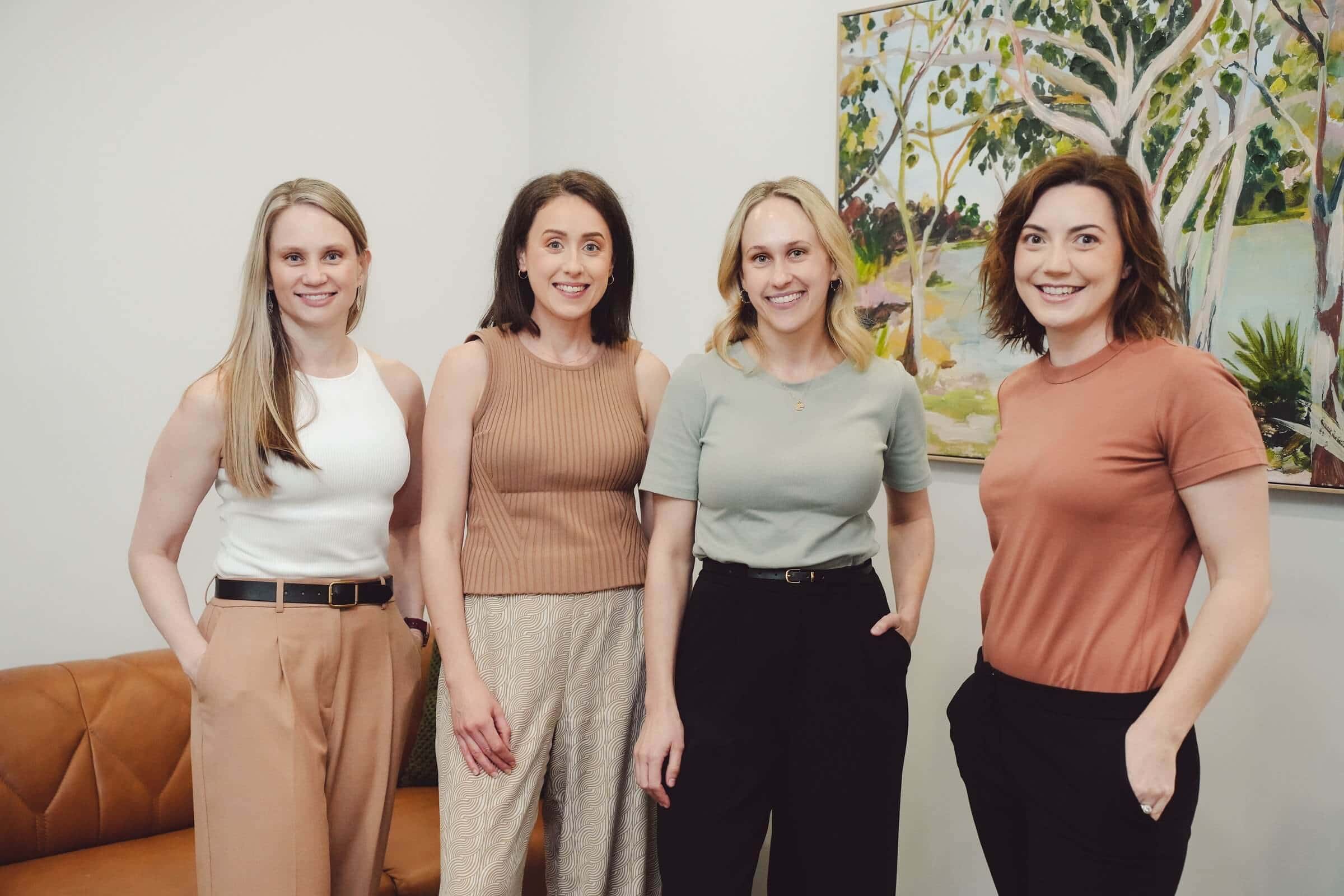
At Pelviology and Whole Bowl Co., we believe that thriving starts long before birth and continues well beyond it. When care is teamed up: nutrition, movement, rest and connection can transform outcomes for parents and families alike.
Thriving starts in pregnancy
Pregnancy is a powerful opportunity to build the foundations for recovery. Research shows that women who engage in exercise, balanced nutrition, and pelvic floor awareness during pregnancy experience fewer complications and faster post-birth recovery (Beamish et al., 2024; O’Connor et al., 2025).
Key focuses:
- Move smart, and build. Building your resistance, walking, and pelvic floor awareness improve endurance for labour and improve sleep, health risks, body aches and pains.
- Nourish deeply. Iron- and protein-rich meals reduce fatigue, and omega-3s support both maternal and foetal brain health.
- Rest with purpose. Quality sleep and mindfulness lower stress hormones that affect recovery.
- Plan your team early. Meeting your pelvic health physiotherapist, midwife (or doula) or dietitian before birth builds familiarity and confidence.
💡 Thriving begins when care isn’t reactive - it’s proactive.
Post-birth: recovering, reconnecting, rebuilding
Birth is an enormous physiological event. Whether vaginal or caesarean birth, muscles, fascia and hormones need time and guidance to restore.
Thriving after birth means:
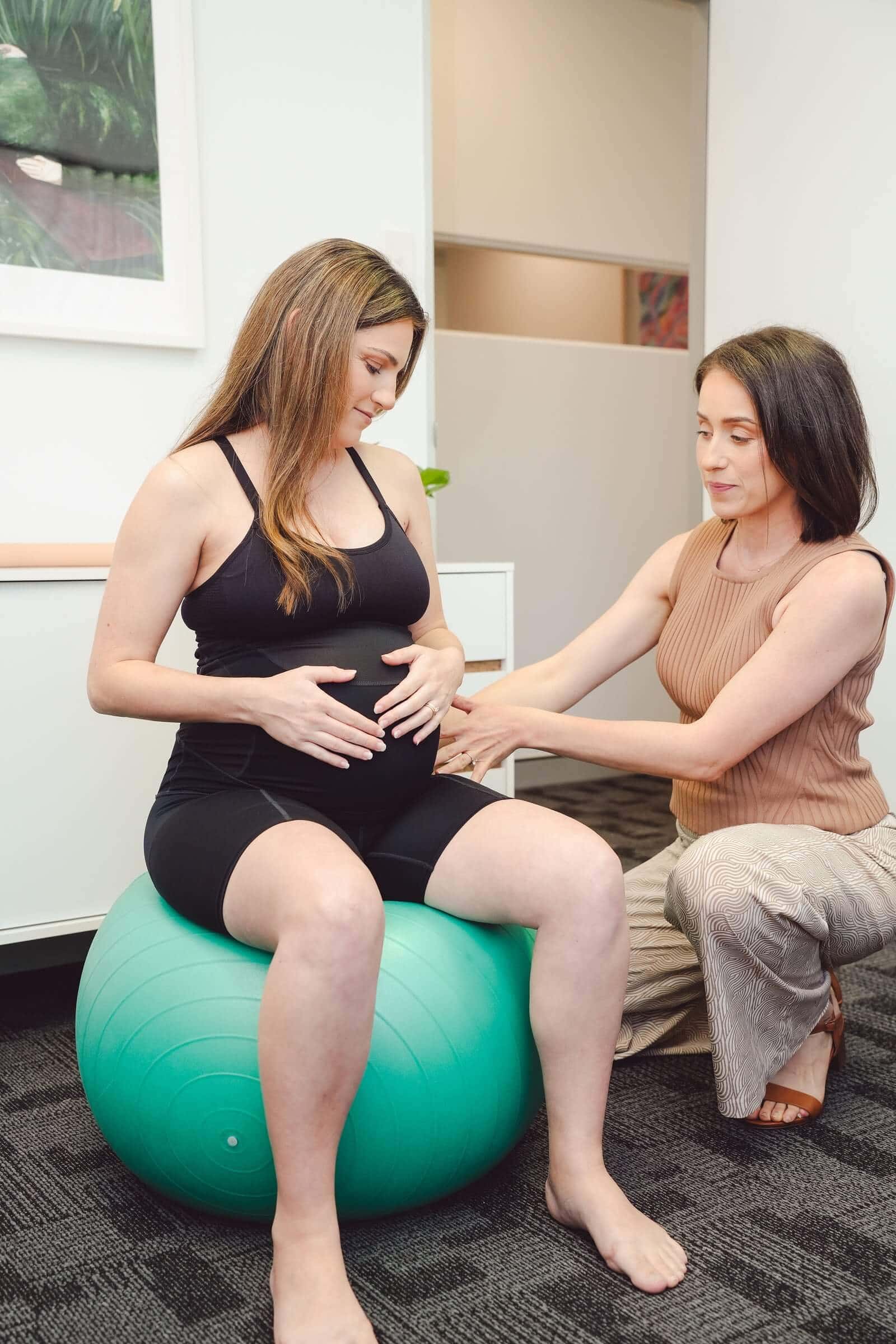
- Guided movement. A pelvic health physiotherapist assesses healing, teaches safe progression, and rebuilds strength for daily life or sport.
- Practical nourishment. Whole Bowl Co.’s ready postpartum meals take pressure off decision-fatigued parents, ensuring protein, iron and fibre support tissue repair.
- Mental and relational health. Shared movement and open conversation between partners protect against postnatal depression and strengthen intimacy.
🌸 Recovery is not returning to your “old” body - it’s creating confidence in the one you have now.
Your thriving team
Evidence consistently shows that multidisciplinary support improves outcomes for both mother and baby (NICE, 2021; Beamish et al., 2024).
Consider building a small, coordinated circle that includes:
- Pelvic health physiotherapist – for movement, load, and pelvic floor function; this includes muscles, bladder, bowel and sexual health.
- GP or obstetrician – for medical and hormonal health oversight.
- Dietitian or nutritionist – to tailor dietary and supplement needs.
- Midwife – supports pregnancy, birth and postnatal monitoring; often the first link between home and hospital care.
- Doula – provides emotional, educational and physical support before, during and after birth; bridges communication with other professionals.
- Psychologist or counsellor – to support mood, identity, and adjustment.
- Partner or carer – to protect rest windows, be the true advocate and support team, encourage exercise, and share nourishing food.
Together, they help you transition from surviving each stage to thriving through them.
Whole Recovery Summary
- Start early. Build supportive habits in pregnancy that ease post-birth recovery.
- Include your allies. Midwives, doulas and physios each bring unique strengths to your team.
- Move with guidance. Exercise is medicine - the right dose matters.
- Nourish continuously. Pregnancy and postpartum share the same nutritional foundations.
- Stay connected. Open communication keeps your care aligned and your confidence growing.
🌿 Thriving isn’t a finish line - it’s a rhythm of care that adapts as you do.
Ready to take the next step?
- Restore: Book your Pelviology pregnancy or postpartum physiotherapy check-up → here
References
Beamish, N. F., Davenport, M. H., Ali, M. U., & McIntyre, E. A. (2024). Impact of postpartum exercise on pelvic-floor disorders and diastasis recti abdominis: A systematic review and meta-analysis. British Journal of Sports Medicine, 59(8), 562–569. https://doi.org/10.1136/bjsports-2024-108746
National Institute for Health and Care Excellence (NICE). (2021). Postnatal care. https://www.nice.org.uk/guidance/ng194
O’Connor, H., Meloncelli, N., Wilkinson, S. A., et al. (2025). Effective dietary interventions during pregnancy: A systematic review and meta-analysis of behaviour change techniques to promote healthy eating. BMC Pregnancy and Childbirth, 25, 112. https://doi.org/10.1186/s12884-025-07185-z
Ozanne, S., Jones, A., & Reynolds, R. M. (2025). Challenges with developing nutritional recommendations to improve pregnancy outcomes. BMJ, 389, e081325. https://doi.org/10.1136/bmj-2024-081325