
The Top 5 Nutrients Your Body Needs After Birth and Why
After months of growing and nourishing a baby, your body doesn't stop needing extra support once your baby arrives.
In fact, the postpartum period is a time of significant physical recovery. Your body is healing from pregnancy and birth, adjusting to changing hormones, rebuilding nutrient stores and, if you're breastfeeding, supporting milk production.
That doesn't mean you need a perfect postpartum diet or a complicated meal plan.
It simply means that postpartum nutrition matters. Prioritising a variety of nourishing foods and a few key nutrients can help support your energy, recovery, immune function and overall wellbeing during those early weeks and months after birth.
So, if you're wondering what to eat after giving birth, here are five nutrients worth paying attention to.
1. Iron: for Energy & Recovery
Iron is one of the key nutrients to consider after birth, particularly if you've experienced significant blood loss during delivery.
Iron is needed to produce haemoglobin, which carries oxygen around the body. When iron stores are low, you may experience tiredness, weakness or reduced energy, symptoms that can easily be mistaken for normal new-parent exhaustion.
Including iron-rich foods as part of your postpartum nutrition can help support your body's recovery.
Good sources include:
- Red meat
- Chicken and eggs
- Lentils, beans and chickpeas
- Tofu
- Leafy greens
- Iron-fortified cereals
Pairing plant-based sources of iron with vitamin C-rich foods such as capsicum, citrus, berries or tomatoes can help your body absorb more iron.
If you're concerned about your iron levels or experienced substantial blood loss during birth, speak with your GP or healthcare professional about whether testing is appropriate.
2. Protein: for Healing & Staying Satiated
Protein is essential for tissue repair, muscle maintenance and immune function, all important parts of postpartum recovery.
It can also help make meals and snacks more satisfying, which is particularly useful when you're eating between feeds, naps and nappy changes.
Try to include a source of protein at every meal and snack.
Easy options include:
- Eggs or nut butter on toast
- Greek yoghurt with fruit and nuts
- Chicken, salmon or tofu (added to soups, salads, sandwiches)
- Hummus & wholegrain crackers
- Lentil or bean soups
- Cheese
You don't need to make every meal from scratch. Adding an egg, yoghurt, cheese or handful of nuts to something you're already eating can make a simple meal more nourishing.
3. Omega-3 fats: for brain and overall health
Omega-3 fatty acids, particularly DHA, play an important role in brain and eye health.
For breastfeeding mothers, DHA is also transferred through breast milk, making omega-3-rich foods a useful part of a balanced breastfeeding diet.
Oily fish such as salmon, sardines and trout are excellent sources of DHA and EPA. Chia seeds, flaxseeds and walnuts provide plant-based omega-3 fats, while some eggs are also enriched with omega-3s.
Try adding salmon to a rice bowl, chia seeds to overnight oats or walnuts to yoghurt for an easy nutritional boost.
A fish oil or algae oil supplement is recommended during times of high demand such as through pregnancy and breastfeeding.
4. Calcium: for Bones, Muscles & Nerves
Calcium remains important after pregnancy, supporting healthy bones, muscle function and normal nerve signalling.
If you're breastfeeding, calcium is sourced from your own stores to supply breast milk demands, making calcium-rich foods an important part of your overall postpartum diet.
Good sources include:
- Milk
- Yoghurt
- Cheese
- Calcium-fortified plant milks
- Calcium-set tofu
- Canned fish with edible bones
- Some leafy green vegetables
- Almonds and tahini
A bowl of yoghurt and fruit, a cheese toastie or a glass of milk alongside a meal can all contribute to your intake without requiring much preparation.
5. Fibre: for Digestive Health
Fibre might not be the first nutrient that comes to mind when you think about postpartum nutrition, but it can be particularly helpful after birth.
Constipation can be common during the postpartum period, particularly alongside reduced movement, certain medications, changes in routine or simply not drinking enough fluids.
Fibre helps support normal bowel function and is found in:
- Fruit
- Vegetables
- Oats
- Wholegrain bread and cereals
- Beans and lentils
- Chia and flaxseeds
- Nuts and seeds
- All plant foods
Increase fibre gradually if your usual intake is low, and remember that fluids are important alongside fibre.
What should you actually eat after giving birth?
When you're wondering what to eat after birth, the answer doesn't need to involve complicated recipes or an elaborate postpartum meal plan.
A nourishing day could look something like:
- Breakfast: Eggs on wholegrain toast with avocado and fruit
- Lunch: Chicken and salad sandwich with yoghurt
- Snack: Banana with peanut butter
- Dinner: Salmon, rice and vegetables
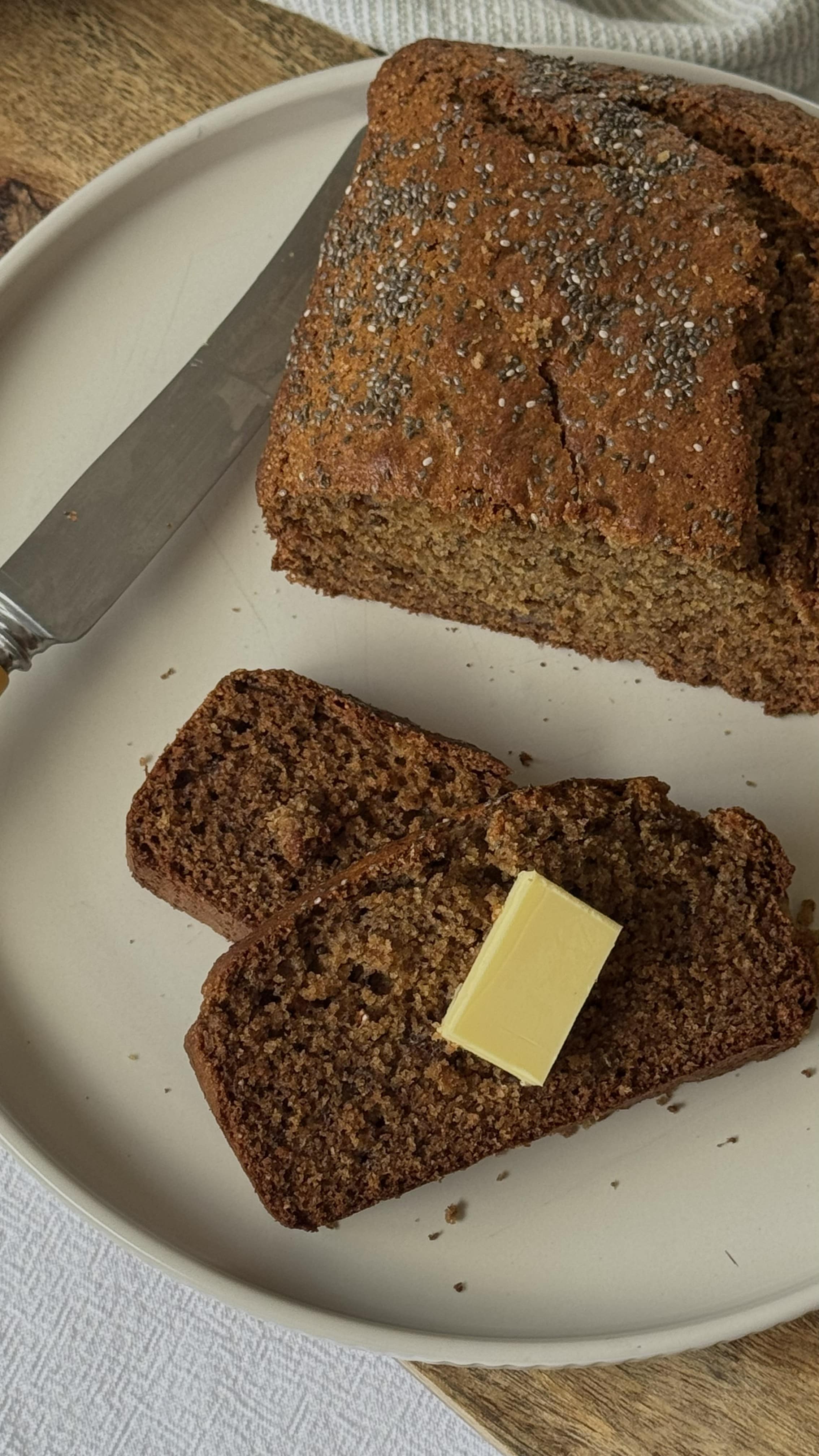
- Something sweet: A slice of banana bread with a glass of milk
The exact foods don't matter as much as the overall pattern: regular meals, a variety of foods, plenty of fluids and a combination of protein, carbohydrates, healthy fats, fruits and vegetables.
This is the foundation of practical nutrition after birth, nourishing your body without adding unnecessary pressure.
What if you don't feel like cooking?
This is where postpartum nutrition needs to be realistic.
You may be exhausted. You may have little appetite. You may be recovering from birth while simultaneously caring for a newborn.
Some days, sitting down to eat a proper meal can feel like another task on an already impossible list.
That's why convenience can be part of good nutrition.
A frozen meal, toast with eggs, yoghurt and fruit, a smoothie, soup or leftovers can all provide valuable nourishment.
The easiest meal is sometimes the best meal, because it's the one you actually manage to eat.
Your recovery deserves nourishment too
There's plenty of conversation about what babies need after birth, but it's just as important to remember that your body is recovering too.
You don't need to eat perfectly. You don't need to follow a restrictive postpartum diet. And you certainly don't need to put pressure on yourself to cook elaborate meals.
Focus on the basics: eat regularly, include protein and iron-rich foods, choose a variety of nutrient-dense foods, stay hydrated and make meals as easy as possible.
Your postpartum nutrition needs don't have to become another thing to get perfect.
Postpartum nutrition isn't about doing more.
It's about making sure you are nourished while you care for someone else.